A Novice's Overview to Recognizing Aluminum Foundry Tooling and Mold Production
Aluminum foundry tooling and mold and mildew production is a customized location within manufacturing. Understanding the fundamentals is vital for beginners. Various mold types, such as sand and investment mold and mildews, deal with various manufacturing requirements. Trick devices and processes play a considerable role in achieving successful results. As one navigates this elaborate field, the interaction in between layout and implementation comes to be obvious. What necessary methods and insights might transform a beginner into an experienced aluminum foundry specialist?
Comprehending the Basics of Aluminum Casting
Numerous steels can be cast, aluminum stands out due to its special residential properties and adaptability. This light-weight steel features superb rust resistance, thermal conductivity, and malleability, making it a prominent selection across numerous markets. The spreading process entails melting light weight aluminum and putting it into a mold and mildew to achieve preferred shapes and dimensions. This technique enables complex designs and exact resistances, which are essential in applications ranging from automobile components to aerospace elements.
Types of Molds Used in Aluminum Foundry
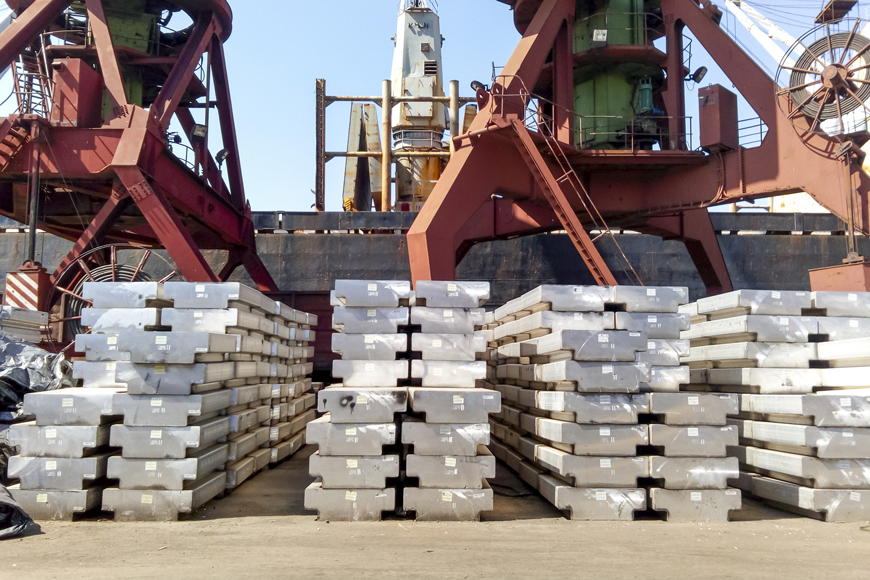
When selecting mold and mildews for light weight aluminum foundry applications, numerous kinds are offered, each designed to meet particular production requirements and casting methods. One of the most usual kinds include sand mold and mildews, which are ideal and functional for complex shapes, and long-term mold and mildews, made from metal for high-volume production with better surface area coatings. One more type is financial investment molds, known for their precision and fine detail, ideal for intricate designs. Additionally, there are shell mold and mildews, which integrate the benefits of sand and irreversible mold and mildews, using resilience and excellent dimensional precision. Pass away casting molds are made use of for high-speed manufacturing, offering consistent top quality and decreased cycle times. Each mold kind has distinct characteristics that influence the quality of the last aluminum item, manufacturing effectiveness, and total expenses. Understanding these kinds allows foundry specialists to select one of the most appropriate mold and mildew for their specific applications and wanted outcomes.
Vital Tools for Mold Development
A variety of vital tools are needed for mold and mildew production in aluminum foundry procedures, each contributing to the effectiveness and accuracy of the casting procedure. Secret tools include pattern-making devices, which form the mold according to create requirements. These can be made from materials like plastic, steel, or wood. Furthermore, mold frameworks are essential for preserving mold and mildew security during casting.
Other needed devices encompass core boxes, which help produce interior dental caries within the shaped components, and gating systems that facilitate the flow of molten light weight aluminum. For ending up touches, surface ending up devices, such as sanders and grinders, guarantee the mold surfaces are exact and smooth.
Securing tools are additionally critical, securing molds throughout the putting procedure. Determining tools, like calipers and assesses, supply accuracy in mold dimensions. Together, these tools form the foundation of reliable mold and mildew production in light weight aluminum shops.
The Refine of Making Aluminum Molds
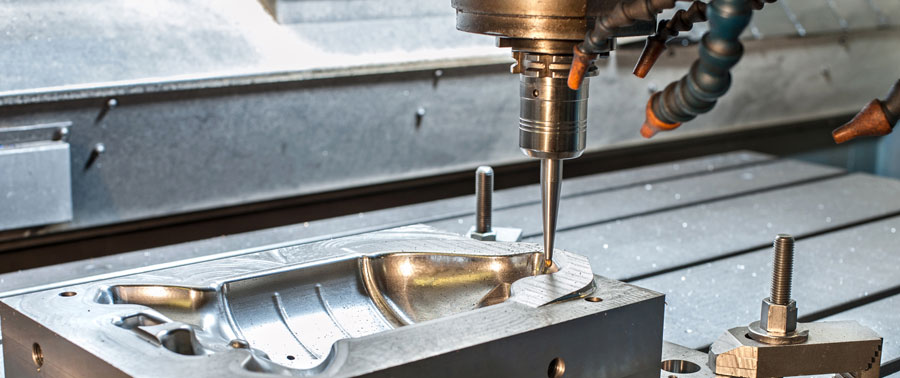
Producing aluminum molds entails an organized strategy that assures accuracy and high quality in the final product. The procedure starts with creating the mold, utilizing computer-aided design (CAD) software to develop an in-depth blueprint. This design is after that converted right into a physical form through machining, where knowledgeable operators make use of crushing turrets and devices to carve the mold and mildew from strong aluminum blocks.
As soon as the mold and mildew is shaped, it goes through surface therapy to protect a smooth finish, which assists in the ejection of the casted components. After this, assembly of the mold parts happens, guaranteeing correct positioning and fit. Next, the mold is evaluated for capability, typically entailing test casts to recognize any prospective issues. Ultimately, changes might be made based on screening outcomes. With cautious attention at each phase, the completed light weight aluminum mold is prepared for use in numerous casting applications, assuring constant and top notch results.
Tips for Effective Aluminum Foundry Projects
Successful aluminum foundry tasks depend on careful preparation and execution throughout the whole procedure. To ensure ideal outcomes, it is vital to define clear purposes before beginning any kind of project. This includes comprehending the requirements and requirements of the final item. Proper material choice plays a substantial role; using top notch aluminum alloys can improve durability and efficiency.
Additionally, precise mold and mildew design and construction are vital. Precise dimensions and attention to information will minimize and decrease defects waste. Including advanced innovations, such as computer-aided design (CAD), can substantially enhance the layout process.
It is likewise important to maintain effective communication among group participants to ensure every person is on the very same web page. Regular assessments throughout manufacturing can aid determine possible concerns early, enabling timely modifications. Mindful post-casting treatments, like machining and completing, can raise the quality of the last product, leading to a successful aluminum foundry project.
Regularly Asked Inquiries
What Safety and security Safety Measures Should I Take When Collaborating With Aluminum?
When dealing with light weight aluminum, individuals must use protective eyewear, handwear covers, and respiratory system masks. In addition, guaranteeing appropriate air flow, keeping a tidy work space, and using devices securely are important safety measures to avoid mishaps and wellness risks.
For how long Does It Require To Create an Aluminum Mold And Mildew?
Creating an aluminum mold and mildew normally takes anywhere from a few days to numerous weeks. aluminum casting. Factors affecting this timeline include layout complexity, material accessibility, and the specific strategies utilized in the mold-making process
Can I Reuse Aluminum Molds for Multiple Castings?
Yes, aluminum molds can be reused for multiple spreadings. Their durability enables for duplicated use, although the life-span might vary based upon elements like design complexity Precision aluminum casting and spreading conditions, which can impact mold integrity gradually.
What Is the Price Range for Aluminum Foundry Tooling?
The expense range for aluminum foundry tooling varies substantially, commonly dropping between $1,000 and $10,000 (Precision aluminum casting). Variables affecting the price include style complexity, mold dimension, and production volume, influencing overall investment requirements for manufacturers
Where Can I Find Providers for Aluminum Foundry Products?
Various mold and mildew types, such as sand and financial investment mold and mildews, cater to various production needs (aluminum casting). When selecting molds for light weight aluminum foundry applications, numerous kinds are readily available, each designed to satisfy particular manufacturing requirements and casting strategies. The most common kinds include sand molds, which are ideal and versatile for complex forms, and long-term mold and mildews, made from steel for high-volume manufacturing with better surface area finishes. Furthermore, there are shell mold and mildews, which incorporate the advantages of sand and irreversible molds, providing toughness and exceptional dimensional precision. A range of vital devices are needed for mold and mildew production in aluminum foundry procedures, each adding to the efficiency and accuracy of the casting procedure